
Smart Home Technology and Home Insurance: What Homeowners Should Know
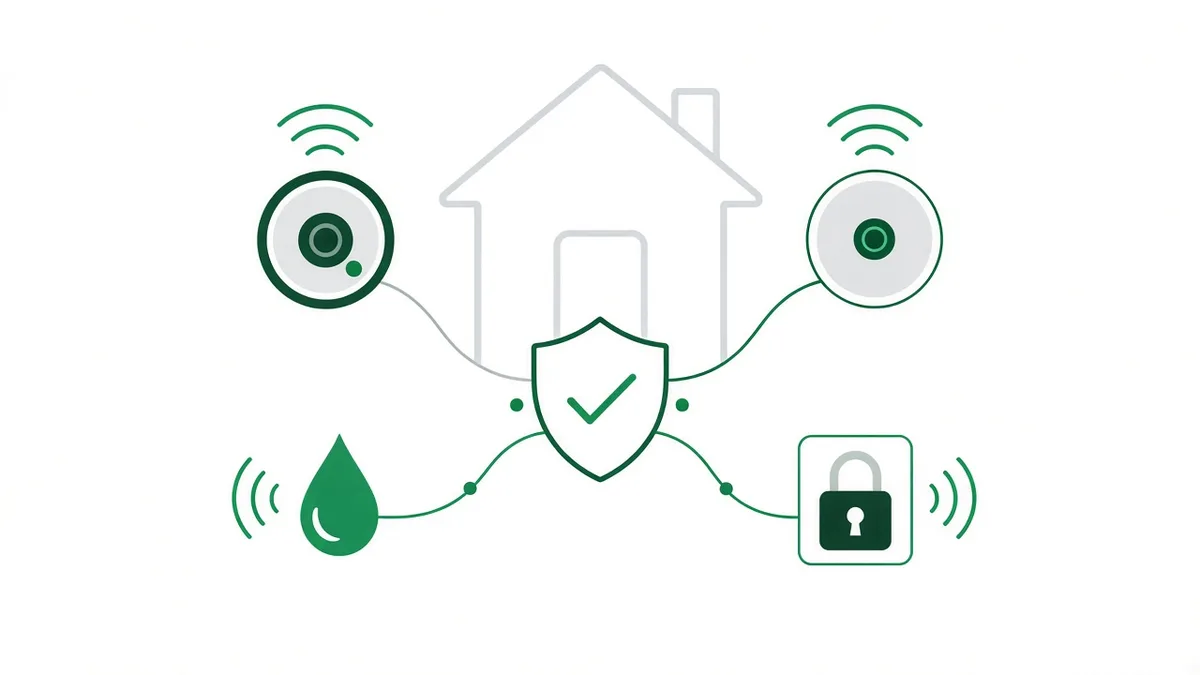
Smart home technology has changed the way homeowners manage their properties. Devices that once focused mainly on convenience such as cameras, sensors, and automated controls are now also being used to improve home safety and prevent potential damage.
For insurance companies, the value of smart home technology is often connected to risk reduction. Devices that detect problems early, such as water leaks or security concerns, may help homeowners respond faster and reduce the severity of certain incidents.
Some insurance providers offer discounts or programs related to qualifying smart home devices, but availability depends on factors such as the insurer, location, policy requirements, and the type of technology installed.
Understanding how these devices work can help homeowners make better decisions about protecting their property.
How Smart Homes Are Changing Home Protection
Traditional home protection usually begins after an event occurs. A homeowner experiences damage, files a claim, and works through the repair process.
Smart home technology introduces a prevention-focused approach. Connected devices can help homeowners:
- Receive alerts about possible problems
- Monitor activity remotely
- Detect risks earlier
- Respond before minor issues become larger problems
For example, a water sensor may notify a homeowner about moisture near a leaking appliance, allowing action before extensive damage occurs. Similarly, a monitored security system may provide alerts when unusual activity is detected around the property.
The goal is not to replace homeowners insurance but to add another layer of awareness and protection.
Smart Home Devices That May Support Insurance Benefits
Not every smart device affects insurance considerations. Insurance-related programs typically focus on technology designed to reduce specific risks such as theft, fire, or water damage.
Smart Security Systems and Cameras
Security technology is one of the most common smart home categories associated with property protection.
Examples include:
- Smart security cameras
- Video doorbells
- Motion sensors
- Smart locks
- Monitored alarm systems
These devices can help homeowners monitor their property and receive alerts about unusual activity.
Some insurers may recognize qualifying security systems when evaluating available discounts or protection programs. Requirements can vary, so homeowners should confirm details with their insurance provider.
Water Leak Detection Systems
Water damage is a major concern for many homeowners.
Smart water monitoring devices can detect unusual moisture levels and send alerts through connected applications. Advanced systems may include automatic shutoff features that can stop water flow when a leak is detected.
Potential benefits include:
- Faster leak detection
- Reduced response time
- Better awareness of plumbing issues
Some insurance companies consider water monitoring devices for possible discounts because they may help prevent severe water-related claims.
Smart Smoke and Fire Detection Devices
Traditional smoke alarms provide important protection, but connected smoke detectors add additional features.
Smart smoke detectors may:
- Send smartphone alerts
- Provide notifications when homeowners are away
- Monitor changing conditions inside the home
Early awareness can help homeowners respond faster during a potential fire emergency.
Electrical Monitoring Technology
Electrical problems can create serious risks inside a home.
Some smart monitoring devices track electrical systems and identify unusual activity that may require attention. These technologies are designed to help homeowners identify potential issues earlier rather than discovering them after significant damage occurs.
Why Insurance Companies Consider Smart Home Technology
Insurance providers evaluate risk when creating policies and determining available programs.
Smart home devices may provide value because they can help address common sources of property damage, including:
- Water leaks
- Fire risks
- Theft concerns
- Electrical problems
A device that helps prevent or reduce damage may be useful for both homeowners and insurers.
However, installing smart technology does not automatically change an insurance policy. Homeowners should always check with their insurance provider before assuming a device qualifies for a discount or benefit.
Do Smart Devices Automatically Reduce Insurance Costs?
No.
A common misunderstanding is that purchasing smart home equipment automatically lowers insurance premiums.
In reality:
- Discount availability varies by insurer
- Different devices may have different requirements
- Some programs may require approved equipment
- Location and policy details can affect eligibility
Homeowners should choose smart devices because they provide useful protection and convenience first. Any possible insurance benefit should be considered an additional factor, not the only reason to purchase technology.
Questions to Ask Before Installing Smart Home Devices
Before investing in smart home technology, homeowners should ask their insurance provider the following questions.
Does my policy offer benefits for smart home devices?
Not all insurers provide the same programs.
Which devices qualify?
Some insurers may only recognize certain categories of technology.
Are there installation requirements?
Some programs may require professional monitoring or specific equipment standards.
Do I need to provide proof of installation?
The insurer may require documentation before applying any available benefit.
Will this change my coverage?
Smart devices generally support risk management but do not replace insurance protection.
Final Thoughts
Smart home technology is becoming an important part of modern home protection.
Security cameras, water sensors, fire detection systems, and monitoring devices can help homeowners stay informed about potential risks and respond more quickly.
The best approach is to select technology that fits your home's needs and then confirm with your insurance provider whether any benefits or discounts may apply.
A smarter home is not only about automation. It is about making informed decisions to protect your property.
Frequently Asked Questions
Can smart home devices lower home insurance costs?
Some smart home devices may qualify for insurance discounts or programs depending on the insurer, location, and device type. Homeowners should confirm eligibility directly with their provider.
Which smart devices are most useful for home protection?
Security systems, water leak sensors, smoke detectors, and monitoring devices are commonly associated with home protection because they address common risks.
Should I buy smart devices only for insurance savings?
No. Homeowners should consider safety, convenience, and protection benefits. Insurance-related benefits may vary.
Does having smart devices replace home insurance?
No. Smart technology can support prevention and monitoring, but it does not replace homeowners insurance coverage.